Showing posts with label etienne balibar. Show all posts

Sunday, July 27, 2014

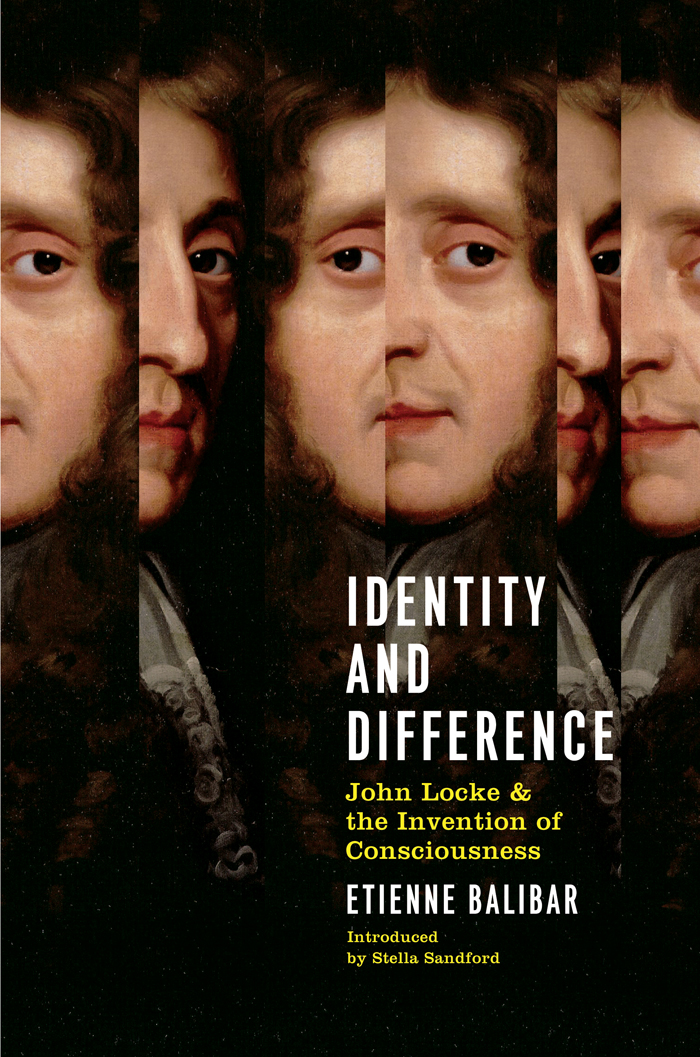
Etienne Balibar, Identity and Difference: John Locke and the Invention of Consciousness


Formats Available
.PDF
.EPUB
"John Locke's foundational place in the history of British empiricism and liberal political thought is well established. So, in what sense can Locke be considered a modern European philosopher? Identity and Difference argues for reassessing this canonical figure. Closely examining the "treatise on identity" added to the second edition of An Essay Concerning Human Understanding, Etienne Balibar demonstrates Locke's role in the formation of two concepts central to the metaphysics of the subject—consciousness and the self—and the complex philosophical, legal, moral and political nature of his terms.

With an accompanying essay by Stella Sandford, situating Balibar's reading of Locke in the history of the reception of the Essay and within Balibar's other writings on "the subject," Identity and Difference rethinks a crucial moment in the history of Western philosophy."

Wednesday, July 10, 2013

The Borders of Justice (Politics History & Social Chan)

From Amazon,

"International in scope and featuring a diverse group of contributors, The Borders of Justice investigates the complexities of transitional justice that emerge from its "social embeddedness." This original and provocative collection of essays, which stem from a collective research program on social justice undertaken by the Calcutta Research Group, confronts the concept and practices of justice. The editors and contributors question the relationships between geography, methodology, and justiceohow and why justice is meted out differently in different places. Expanding on Michael Walzer's idea of the "spheres of justice," the contributors argue that justice is burdened with our notions of social realities and expectations, in addition to the influence of money, law, and government. Chapters provide close readings of Pascal, Plato, and Marx, theories on global justice, the relationship between liberalism and multiculturalism, struggles of social injustice, and how and where we draw the borders of justice.."


Formats Available

PDF (Link 1)